


14 September 2026
Read Article
Free Shipping on all UK orders | Shop Collection
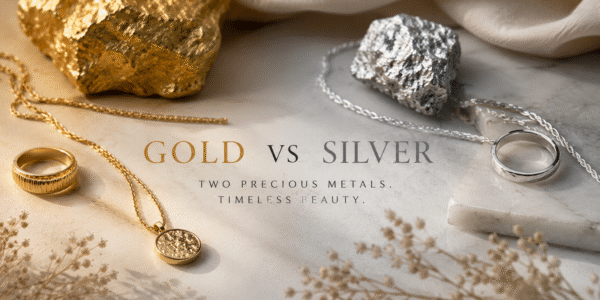
Choosing fine jewellery is about much more than selecting a beautiful design. Behind every necklace, bracelet, ring, or pair of earrings lies one of the oldest decisions in jewellery making: gold or silver?
Both precious metals have shaped human history for thousands of years. They have symbolised wealth, power, love, celebration, and craftsmanship across every major civilisation. Yet despite their shared prestige, gold and silver offer remarkably different characteristics that influence not only their appearance but also their durability, maintenance, long-term value, and suitability for different lifestyles.
Whether you’re purchasing your very first piece of fine jewellery, building a timeless collection, or searching for the perfect gift, understanding these differences will help you make a confident and informed decision.
In this comprehensive guide, we’ll explore everything you need to know about gold and silver jewellery—from their fascinating history and craftsmanship to practical buying advice and long-term care.
Long before jewellery became a fashion statement, precious metals held deep cultural and symbolic significance.
Gold was treasured by the Egyptians as the “metal of the gods.” It adorned royal tombs, crowns, and ceremonial objects because it was believed to represent eternity. Unlike iron or copper, gold does not rust or corrode, making it the perfect symbol of immortality.
Silver earned equal admiration for its luminous beauty and practical versatility. Ancient Greek and Roman artisans transformed silver into coins, ceremonial objects, and intricate jewellery that demonstrated exceptional craftsmanship.
Thousands of years later, little has changed.
Gold continues to represent timeless luxury, while sterling silver remains one of the world’s most versatile precious metals.
Pure gold is measured in 24 karats, meaning it contains nearly 100% gold.
Although stunning in appearance, pure gold is surprisingly soft.
A ring made from 24K gold could bend, scratch, or lose its shape through everyday wear.
For this reason, jewellers combine pure gold with carefully selected alloys such as silver, copper, zinc, or palladium to increase strength while preserving its luxurious appearance.
This creates different gold purities suitable for different lifestyles.
Contains 37.5% pure gold.
Advantages:
Ideal for:
Contains 58.5% pure gold.
This is often considered the perfect balance between luxury and durability.
Benefits:
Recommended for:
Contains 75% pure gold.
Luxury jewellery brands frequently choose 18K gold because of its richer colour and premium appearance.
Advantages:
Ideal for:
White gold combines gold with white metals before receiving a rhodium finish.
Its cool, bright appearance makes it particularly popular with diamonds because it enhances their brilliance.
To maintain its appearance, white gold may require occasional rhodium replating after several years of regular wear.
Yellow gold remains the most traditional precious metal.
Its warm glow complements vintage-inspired designs while pairing beautifully with emeralds, rubies, pearls, and diamonds.
It has remained fashionable for centuries because timeless elegance never goes out of style.
Rose gold has become one of the fastest-growing jewellery trends of the last decade.
Created by combining gold with copper, its soft blush colour offers warmth, romance, and individuality.
Rose gold suits almost every skin tone and pairs beautifully with both modern and vintage-inspired designs.
Many people believe silver jewellery is made from pure silver.
In reality, almost all quality silver jewellery is crafted from Sterling Silver, an internationally recognised standard containing:
This is why quality silver jewellery carries the 925 hallmark, confirming it meets international sterling silver standards.
Sterling silver offers the perfect combination of elegance, durability, and affordability.
Choosing between gold and silver often begins with personal taste.
Gold creates a warmer, richer impression that naturally draws attention.
Silver delivers a cleaner, cooler aesthetic that feels contemporary and understated.
Generally speaking:
Today, fashion experts increasingly encourage mixing both metals rather than limiting yourself to one.
Although there are no strict rules, some combinations naturally complement certain complexions.
Usually suit:
These colours enhance the warmth of the skin.
Often pair beautifully with:
These metals create a crisp, elegant contrast.
You’re fortunate enough to wear virtually any precious metal beautifully.
Durability depends on both purity and lifestyle.
| Feature | Gold | Sterling Silver |
|---|---|---|
| Everyday durability | ★★★★★ | ★★★★☆ |
| Scratch resistance | ★★★★★ (9K/14K) | ★★★☆☆ |
| Tarnish resistance | ★★★★★ | ★★★☆☆ |
| Longevity | ★★★★★ | ★★★★★ (with care) |
| Ease of polishing | ★★★★☆ | ★★★★★ |
Both metals can last a lifetime when properly maintained.
One of the biggest misconceptions is that tarnish means poor quality.
It doesn’t.
Sterling silver naturally reacts with sulfur compounds in the air, forming a thin layer of silver sulfide on the surface. This process is completely normal and happens even to the highest-quality sterling silver.
The good news?
Tarnish sits only on the surface and can usually be removed with a soft polishing cloth or professional cleaning, restoring the jewellery’s original shine.
Gold requires relatively little maintenance, but a few simple habits can help preserve its beauty:
Sterling silver benefits from a little extra care:
With these simple steps, sterling silver jewellery can remain beautiful for decades.
There isn’t a universal answer—it depends on your lifestyle.
If you wear the same jewellery every day and prefer minimal maintenance, gold is an excellent long-term option.
If you enjoy changing your accessories regularly and appreciate modern, artistic designs, sterling silver offers outstanding versatility and value.
Many jewellery enthusiasts build collections that include both metals, choosing pieces based on the occasion and their outfit.
Gold has historically been viewed not only as jewellery but also as a store of wealth. Its value tends to remain relatively stable over the long term, making it attractive to those seeking both beauty and financial security.
Silver also holds intrinsic value as a precious metal, but its market price is generally lower and more volatile. While it may not be chosen primarily as an investment, sterling silver jewellery offers exceptional craftsmanship and timeless style at a more accessible price.
It’s worth remembering that the true value of fine jewellery is rarely measured by metal alone. Design, craftsmanship, gemstones, brand heritage, and sentimental significance all contribute to a piece’s lasting worth.
A precious metal is only as remarkable as the craftsmanship behind it.
Exceptional jewellery requires:
A beautifully handcrafted sterling silver bracelet can be more valuable—both emotionally and artistically—than a poorly made gold piece.
This is why quality craftsmanship should always be one of the first things you consider when choosing jewellery.
Instead of focusing on one metal, many experts recommend creating a balanced collection.
A versatile jewellery wardrobe might include:
By combining both metals, you’ll have jewellery suitable for every occasion—from business meetings to formal celebrations.
Gold and sterling silver have each earned their place in the world of fine jewellery for good reason. Gold is admired for its warmth, prestige, and enduring value, while sterling silver offers contemporary elegance, versatility, and exceptional craftsmanship.
Rather than asking which metal is better, consider which one best complements your lifestyle, personal style, and the moments you wish to celebrate.
At Saras Fine Jewellery, we believe every piece should be created with care, designed to last, and crafted to become part of your story. Whether you choose luxurious gold or beautifully handcrafted sterling silver, investing in quality jewellery means investing in something you’ll treasure for years to come.
Yes. Sterling silver contains 92.5% pure silver and 7.5% alloy metals, making it durable enough for everyday jewellery.
In general, 14K and 18K gold are more resistant to scratches and tarnish than sterling silver. However, both metals can last a lifetime with proper care.
Yes. Tarnishing is a natural reaction between silver and sulfur compounds in the air. It affects only the surface and can be easily removed with proper cleaning.
Gold typically retains higher monetary value over time. Silver offers excellent craftsmanship and affordability, making it a popular choice for everyday luxury.
Absolutely. Mixing precious metals is a modern styling trend and allows for greater versatility in creating unique jewellery combinations